Understanding the Role of Attachment Buttons in Modern Orthodontics
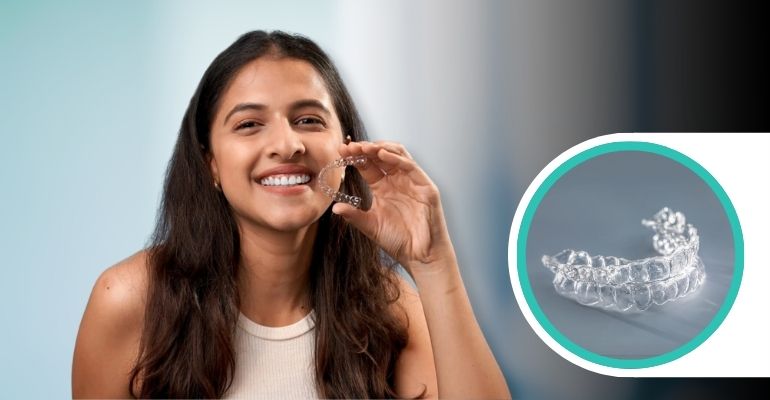
Invisalign Macleod has revolutionised the way adults and adolescents approach orthodontic treatment, offering a discreet alternative to traditional metal braces. However, achieving complex tooth movements, particularly rotations, presents unique challenges that require additional biomechanical support. This is where attachment buttons become indispensable components of the treatment process, serving as anchor points that enhance the precision and speed of tooth movement whilst maintaining the aesthetic advantages that make clear aligners so appealing.
Attachment buttons are small, tooth-coloured composite resin shapes bonded to specific teeth throughout the treatment journey. These carefully positioned elements work in concert with the aligners to create the necessary force systems required for intricate movements. Unlike traditional brackets, these attachments remain virtually invisible to casual observers, preserving the cosmetic benefits that patients seek when choosing clear aligner therapy over conventional orthodontic approaches.
The Biomechanics Behind Accelerated Tooth Rotation
Tooth rotation represents one of the most challenging movements in orthodontics, requiring precise force application at optimal angles. When a clear aligner attempts to rotate a tooth without attachments, the smooth surface of the tooth provides limited engagement, resulting in slower movement and potential treatment delays. Attachment buttons fundamentally alter this dynamic by creating strategic contact points that allow the aligner to grip the tooth more securely.
The geometry of these attachments is carefully designed to match the specific movement required. For rotational movements, orthodontic attachments are typically rectangular or bevelled in shape, positioned to maximise the rotational couple generated when the aligner seats over them. This enhanced engagement translates to more predictable tooth movement, reducing the likelihood of refinements and shortening overall treatment duration.
Strategic Placement for Optimal Results
Anterior Tooth Rotations
Front teeth, particularly lateral incisors and canines, frequently require rotation to achieve proper alignment. For these teeth, practitioners typically position attachments on the facial surface, slightly offset from the centre of the tooth. This placement creates a lever arm that amplifies the rotational force applied by the aligner, whilst the tooth-coloured material blends seamlessly with the natural enamel. Many patients receiving treatment through Invisalign Macleod providers appreciate how these subtle additions remain largely undetectable during social interactions.
Posterior Tooth Considerations
Premolars and molars present different challenges due to their larger surface area and multi-rooted anatomy. Research published in dental journals demonstrates that attachment configuration significantly influences rotational outcomes for posterior teeth. Multiple attachments may be required on a single tooth to achieve the desired rotational movement, with positioning carefully calculated based on the tooth’s centre of resistance and the direction of intended movement.
Aesthetic Considerations Throughout Treatment
One of the primary concerns patients express when learning about attachment buttons relates to their visibility and impact on appearance. However, modern composite materials used for these attachments are specifically formulated to match natural tooth enamel, making them remarkably inconspicuous. The translucent properties of these materials allow light to pass through in a manner similar to natural tooth structure, ensuring that attachments blend harmoniously with the surrounding dentition.
The size of attachment buttons has also decreased significantly with advances in aligner technology and biomechanical understanding. Contemporary attachments are typically no larger than a few millimetres in any dimension, with many being smaller than a grain of rice. This miniaturisation means that even when patients remove their aligners for meals or oral hygiene, the attachments remain subtle and rarely draw attention from others.
Comparing Treatment Timelines With and Without Attachments
Clinical observations consistently demonstrate that cases involving complex rotations progress more rapidly when appropriate attachments are utilised. Without these auxiliary features, aligners may struggle to achieve the necessary grip on teeth, leading to incomplete movements and the need for additional aligner sets. The precision offered by attachment buttons allows teeth to track more closely with the planned movements, reducing treatment time and improving overall outcomes.
Furthermore, the strategic use of attachments enables practitioners to address multiple tooth movements simultaneously, rather than sequencing them over extended periods. This parallel approach to tooth movement represents a significant advantage in managing complex cases, particularly those involving significant crowding or spacing issues combined with rotational discrepancies.
Maintaining Oral Hygiene With Attachment Buttons
Patients often wonder whether attachment buttons complicate their oral hygiene routines. In practice, these small composite additions do not significantly alter brushing or flossing techniques. The smooth, polished surface of properly placed attachments resists plaque accumulation, and standard oral hygiene practices remain sufficient for maintaining dental health throughout treatment. Regular cleaning ensures that both the attachments and surrounding tooth structure remain free from staining or discolouration.
Achieving Predictable Outcomes in Modern Orthodontics
The integration of attachment buttons into clear aligner therapy represents a sophisticated approach to managing complex tooth movements whilst preserving aesthetic priorities. By enhancing the biomechanical capabilities of aligners, these small yet significant additions enable practitioners to address rotational discrepancies with greater speed and precision.
For patients seeking discreet orthodontic solutions without compromising on treatment quality, attachment-assisted clear aligner therapy offers an ideal balance between aesthetics and clinical outcomes, demonstrating that modern orthodontics can successfully address even the most challenging alignment issues.
Any surgical or invasive procedure carries risks. Before proceeding you should seek a second opinion from an appropriately qualified health practitioner.