• Dental

    Why Invisalign Attachment Buttons Accelerate Complex Tooth Rotations Without Compromising Aesthetics

    Understanding the Role of Attachment Buttons in Modern Orthodontics

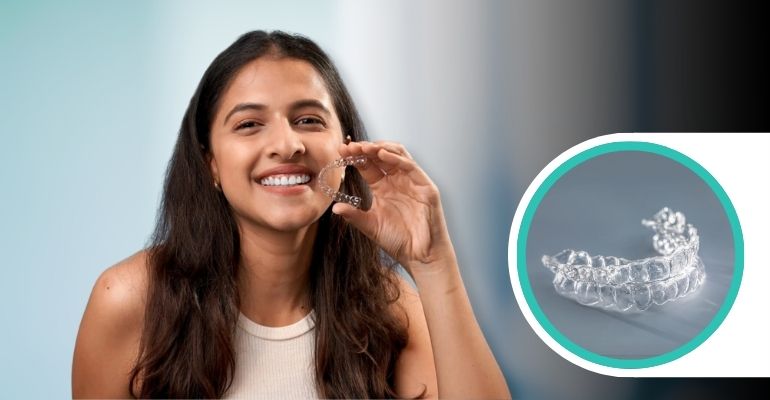
    Invisalign Macleod has revolutionised the way adults and adolescents approach orthodontic treatment, offering a discreet alternative to traditional metal braces. However, achieving complex tooth movements, particularly rotations, presents unique challenges that require additional biomechanical support. This is where attachment buttons become indispensable components of the treatment process, serving as anchor points that enhance the precision and speed of tooth movement whilst maintaining the aesthetic advantages that make clear aligners so appealing.

    Attachment buttons are small, tooth-coloured composite resin shapes bonded to specific teeth throughout the treatment journey. These carefully positioned elements work in concert with the aligners to create the necessary force systems required for intricate movements. Unlike traditional brackets, these attachments remain virtually invisible to casual observers, preserving the cosmetic benefits that patients seek when choosing clear aligner therapy over conventional orthodontic approaches.

    The Biomechanics Behind Accelerated Tooth Rotation

    Tooth rotation represents one of the most challenging movements in orthodontics, requiring precise force application at optimal angles. When a clear aligner attempts to rotate a tooth without attachments, the smooth surface of the tooth provides limited engagement, resulting in slower movement and potential treatment delays. Attachment buttons fundamentally alter this dynamic by creating strategic contact points that allow the aligner to grip the tooth more securely.

    The geometry of these attachments is carefully designed to match the specific movement required. For rotational movements, orthodontic attachments are typically rectangular or bevelled in shape, positioned to maximise the rotational couple generated when the aligner seats over them. This enhanced engagement translates to more predictable tooth movement, reducing the likelihood of refinements and shortening overall treatment duration.

    Strategic Placement for Optimal Results

    Anterior Tooth Rotations

    Front teeth, particularly lateral incisors and canines, frequently require rotation to achieve proper alignment. For these teeth, practitioners typically position attachments on the facial surface, slightly offset from the centre of the tooth. This placement creates a lever arm that amplifies the rotational force applied by the aligner, whilst the tooth-coloured material blends seamlessly with the natural enamel. Many patients receiving treatment through Invisalign Macleod providers appreciate how these subtle additions remain largely undetectable during social interactions.

    Posterior Tooth Considerations

    Premolars and molars present different challenges due to their larger surface area and multi-rooted anatomy. Research published in dental journals demonstrates that attachment configuration significantly influences rotational outcomes for posterior teeth. Multiple attachments may be required on a single tooth to achieve the desired rotational movement, with positioning carefully calculated based on the tooth’s centre of resistance and the direction of intended movement.

    Aesthetic Considerations Throughout Treatment

    One of the primary concerns patients express when learning about attachment buttons relates to their visibility and impact on appearance. However, modern composite materials used for these attachments are specifically formulated to match natural tooth enamel, making them remarkably inconspicuous. The translucent properties of these materials allow light to pass through in a manner similar to natural tooth structure, ensuring that attachments blend harmoniously with the surrounding dentition.

    The size of attachment buttons has also decreased significantly with advances in aligner technology and biomechanical understanding. Contemporary attachments are typically no larger than a few millimetres in any dimension, with many being smaller than a grain of rice. This miniaturisation means that even when patients remove their aligners for meals or oral hygiene, the attachments remain subtle and rarely draw attention from others.

    Comparing Treatment Timelines With and Without Attachments

    Clinical observations consistently demonstrate that cases involving complex rotations progress more rapidly when appropriate attachments are utilised. Without these auxiliary features, aligners may struggle to achieve the necessary grip on teeth, leading to incomplete movements and the need for additional aligner sets. The precision offered by attachment buttons allows teeth to track more closely with the planned movements, reducing treatment time and improving overall outcomes.

    Furthermore, the strategic use of attachments enables practitioners to address multiple tooth movements simultaneously, rather than sequencing them over extended periods. This parallel approach to tooth movement represents a significant advantage in managing complex cases, particularly those involving significant crowding or spacing issues combined with rotational discrepancies.

    Maintaining Oral Hygiene With Attachment Buttons

    Patients often wonder whether attachment buttons complicate their oral hygiene routines. In practice, these small composite additions do not significantly alter brushing or flossing techniques. The smooth, polished surface of properly placed attachments resists plaque accumulation, and standard oral hygiene practices remain sufficient for maintaining dental health throughout treatment. Regular cleaning ensures that both the attachments and surrounding tooth structure remain free from staining or discolouration.

    Achieving Predictable Outcomes in Modern Orthodontics

    The integration of attachment buttons into clear aligner therapy represents a sophisticated approach to managing complex tooth movements whilst preserving aesthetic priorities. By enhancing the biomechanical capabilities of aligners, these small yet significant additions enable practitioners to address rotational discrepancies with greater speed and precision.

    For patients seeking discreet orthodontic solutions without compromising on treatment quality, attachment-assisted clear aligner therapy offers an ideal balance between aesthetics and clinical outcomes, demonstrating that modern orthodontics can successfully address even the most challenging alignment issues.

    Any surgical or invasive procedure carries risks. Before proceeding you should seek a second opinion from an appropriately qualified health practitioner.

  • Dental

    Understanding How Childhood Dental Habits Shape Adult Oral Health

    The Foundation of a Lifetime of Healthy Smiles

    The journey towards optimal oral health begins long before one sits in the dentist’s chair as an adult. As dental professionals, including a dentist Brentwood, will tell you, the habits formed during childhood create a blueprint for dental wellbeing that extends throughout one’s entire life. Research consistently demonstrates that the practices established in early years have profound implications for the state of teeth and gums decades later. Understanding this connection offers valuable insight into why prioritising children’s dental care is not merely about preventing immediate discomfort, but rather about investing in long-term health outcomes.

    The formative years represent a critical window during which attitudes towards oral hygiene are shaped and cemented. Children who learn proper brushing techniques, develop regular flossing routines, and understand the importance of dental visits are far more likely to maintain these practices into adulthood. Conversely, those who experience neglect or develop poor habits early on often struggle to overcome these patterns later in life, even when they become aware of the consequences.

    Early Dental Experiences and Their Lasting Impact

    The psychological dimension of childhood dental care cannot be overstated. First encounters with dental professionals set the tone for how individuals perceive oral healthcare throughout their lives. Positive early experiences foster confidence and reduce anxiety, making routine visits to a dentist feel natural and unthreatening. On the other hand, traumatic or painful early experiences can create deep-seated fears that persist well into adulthood, leading to avoidance behaviours that compromise dental health.

    The Science Behind Early Intervention

    Scientific evidence strongly supports the notion that early oral health significantly influences adult dental outcomes. The development of primary teeth plays a crucial role in guiding permanent teeth into their proper positions. When baby teeth are lost prematurely due to decay or trauma, the resulting space issues can lead to misalignment problems that require orthodontic intervention later. Furthermore, untreated childhood cavities can affect the health of developing permanent teeth beneath the gum line.

    Dietary Patterns Established in Youth

    Childhood eating habits exert considerable influence over adult oral health. Young people who consume excessive amounts of sugary drinks and snacks develop not only a higher risk of cavities during childhood but also establish taste preferences and dietary patterns that continue into adulthood. The bacteria that cause tooth decay thrive on sugar, and frequent exposure during formative years allows harmful bacterial colonies to become well-established in the oral microbiome. Breaking these entrenched patterns later in life proves significantly more challenging than preventing them from forming initially.

    Parents and caregivers who model healthy eating behaviours and limit sugary treats create an environment where children naturally gravitate towards tooth-friendly food choices. This early nutritional education pays dividends throughout life, as adults who grew up with balanced diets tend to maintain these preferences and enjoy better overall dental health as a result.

    The Role of Preventive Care in Childhood

    Regular dental check-ups during childhood serve multiple purposes beyond simply identifying cavities. These appointments allow professionals to monitor developmental progress, apply protective treatments such as fluoride and sealants, and provide tailored advice to families. Studies confirm that preventive dental care in early childhood reduces the likelihood of complex dental problems in adulthood, saving both discomfort and considerable expense over time.

    Educational initiatives within dental practices help children understand the ‘why’ behind oral hygiene, transforming routine tasks into meaningful self-care practices. When young people grasp the connection between their daily habits and long-term outcomes, they become active participants in their own health rather than passive recipients of parental instruction.

    Building Healthy Futures Through Early Habits

    The evidence is unequivocal: childhood dental habits shape adult oral health in profound and lasting ways. From the psychological associations formed during early dental visits to the physical consequences of dietary choices and hygiene practices, the foundation laid in youth determines much about one’s dental future. Research in dental journals continues to highlight the correlation between childhood oral health experiences and adult outcomes, reinforcing the importance of early intervention and education.

    Investing time and resources into establishing proper dental habits during childhood represents one of the most effective strategies for ensuring lifelong oral health. By prioritising these formative years, families set the stage for generations of healthy smiles and positive relationships with dental care.

  • Dental

    Maximising Dental SEO with Influencer Partnerships

    The Digital Revolution in Dental Marketing

    The dental industry has witnessed a remarkable transformation in recent years, with digital marketing and dental SEO becoming increasingly vital for practice growth. Traditional advertising methods are no longer sufficient to capture the attention of today’s tech-savvy patients. Modern dental practices must embrace innovative approaches to stand out in an increasingly competitive marketplace, and influencer partnerships have emerged as a powerful tool for enhancing online visibility.

    Social media influencers possess the unique ability to connect with audiences in authentic ways that traditional advertising simply cannot replicate. When dental practices collaborate with the right influencers, they can significantly amplify their digital presence whilst building trust with potential patients. This approach works particularly well when combined with robust SEO strategies, creating a comprehensive digital marketing framework that drives measurable results.

    Understanding the Influencer Landscape for Dental Practices

    The influencer marketing ecosystem extends far beyond celebrity endorsements and lifestyle bloggers. For dental practices, the most valuable partnerships often involve micro-influencers who maintain engaged local audiences. These individuals typically have follower counts ranging from 1,000 to 100,000 and boast higher engagement rates than their macro-influencer counterparts.

    Health and wellness influencers represent particularly valuable partners for dental practices. These content creators already discuss topics related to oral health, nutrition, and overall wellbeing with audiences that actively seek health-related advice. Their followers are naturally inclined to trust recommendations about healthcare services, making them ideal candidates for authentic dental practice partnerships.

    Local Community Influencers

    Local community influencers often provide the highest return on investment for dental practices. These individuals have established themselves as trusted voices within specific geographical areas, making their recommendations particularly relevant for location-based healthcare services. They might include local fitness instructors, parent bloggers, or community leaders who regularly share content about life in their area.

    Professional Health Advocates

    Another category worth considering includes professional health advocates such as nutritionists, wellness coaches, and fitness professionals. These individuals understand the connection between oral health and overall wellness, enabling them to create authentic content that highlights the importance of regular dental care. Their audiences are already health-conscious and likely to value preventive healthcare services.

    Creating Authentic Partnership Opportunities

    Successful influencer partnerships for dental practices require careful planning and authentic relationship building. Rather than pursuing one-off promotional posts, practices should focus on developing long-term relationships that provide mutual value. This approach ensures that influencer content feels natural and trustworthy rather than overtly commercial.

    Content collaboration opportunities might include educational posts about oral health, behind-the-scenes glimpses of modern dental technology, or personal reviews about positive dental experiences. The key lies in creating content that genuinely serves the audience’s interests whilst naturally showcasing the practice’s services and expertise.

    Educational Content Partnerships

    Educational content represents one of the most valuable forms of influencer collaboration for dental practices. When influencers share informative posts about oral hygiene techniques, the importance of regular check-ups, or the connection between diet and dental health, they provide genuine value to their audiences whilst subtly promoting professional dental care. This approach builds credibility and positions the dental practice as a trusted source of information.

    These partnerships can include step-by-step oral care tutorials, myth-busting posts about common dental misconceptions, or seasonal content about maintaining oral health during holidays. The content feels natural within the influencer’s typical posting schedule whilst providing valuable educational material that audiences actively seek.

    Measuring Partnership Success

    Tracking the success of influencer partnerships requires a combination of traditional metrics and dental-specific indicators. Beyond standard engagement rates and reach statistics, dental practices should monitor increases in appointment bookings, website traffic, and local search visibility. Many comprehensive dental marketing strategies incorporate influencer partnerships as part of broader digital marketing campaigns.

    Practices should also pay attention to the quality of inquiries generated through influencer partnerships. High-quality partnerships typically generate inquiries from individuals who are already educated about the importance of dental care and are more likely to commit to treatment plans. This differs significantly from traditional advertising, which often attracts price-focused inquiries.

    Long-term Relationship Building

    Sustainable influencer partnerships extend beyond individual campaigns to create ongoing relationships that benefit both parties. Dental practices might provide regular oral health education to influencers, helping them create more informed content for their audiences. This approach ensures that influencers feel confident discussing oral health topics and can provide accurate information to their followers.

    Regular communication and collaboration opportunities help maintain these relationships over time. Practices might invite influencers to experience new treatments or technologies, providing them with fresh content opportunities whilst showcasing practice innovations. These authentic experiences often result in more compelling content than traditional promotional posts.

    Building a Sustainable Digital Marketing Strategy

    Influencer partnerships work most successfully when integrated into broader digital marketing strategies. Advanced SEO techniques for dental practices can amplify the reach of influencer-generated content, whilst comprehensive SEO strategies ensure that practices maintain strong online visibility across multiple channels. This integrated approach creates a robust digital presence that attracts and retains patients through various touchpoints, establishing dental practices as trusted healthcare providers within their communities.

    Any surgical or invasive procedure carries risks. Before proceeding you should seek a second opinion from an appropriately qualified health practitioner.