
Understanding the Relationship Between Barometric Changes and Oral Surgery Recovery
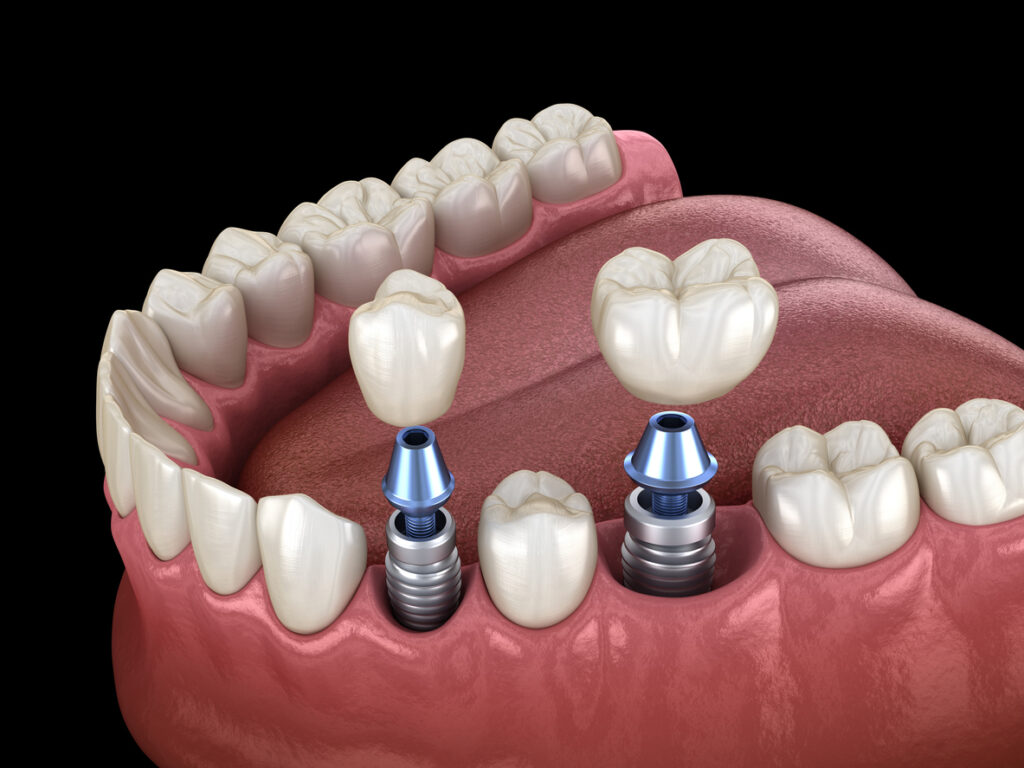
The human body responds to environmental changes in remarkable ways, and the healing process following dental procedures proves no exception to this fascinating phenomenon. Whilst most patients focus on post-operative care instructions and dietary restrictions, few consider how the atmospheric pressure fluctuations around them might influence their recovery. Recent scientific investigations have begun to shed light on this intriguing connection, particularly regarding osseointegration—the critical process whereby dental implants Leicester, which are titanium implants, fuse with the jawbone.
Atmospheric pressure, measured in millibars or inches of mercury, constantly fluctuates due to weather systems, altitude changes, and seasonal variations. These shifts, though often imperceptible to the average person, can create measurable effects on bodily tissues, particularly those undergoing repair and regeneration. For individuals who have recently undergone dental implants procedures, understanding these environmental influences may provide valuable insights into optimising their recovery experience.
The Science Behind Pressure-Related Healing Variations
Cellular Responses to Barometric Fluctuations
Research has demonstrated that atmospheric pressure changes can affect cellular behaviour at the surgical site. When barometric pressure drops, as typically occurs before stormy weather, the reduced external pressure can cause tissues to expand slightly. This expansion may influence blood flow patterns, fluid distribution, and inflammatory responses around the implant site. Conversely, high-pressure systems can create a compressive effect on tissues, potentially altering the microenvironment crucial for proper healing.
Studies examining bone remodelling and healing processes have identified that osteoblasts—the cells responsible for new bone formation—demonstrate sensitivity to mechanical stress and environmental conditions. These cellular responses become particularly relevant during the initial weeks following implant placement, when the foundation for successful osseointegration is established.
Inflammation and Pressure Sensitivity
The inflammatory phase represents a critical component of the healing cascade following any surgical intervention. Atmospheric pressure variations can modulate inflammatory mediators and cytokine production, potentially affecting both the intensity and duration of post-operative inflammation. Patients occasionally report increased discomfort or swelling coinciding with weather changes, an observation that aligns with scientific understanding of pressure-related tissue responses.
Practical Implications for Patients and Practitioners
Altitude Considerations and Travel Restrictions
The relationship between atmospheric pressure and healing becomes particularly relevant when considering altitude changes. Patients who travel to elevated locations or undertake air travel shortly after implant surgery expose themselves to significant pressure variations. Aircraft cabins, whilst pressurised, typically maintain an equivalent altitude of approximately 1,800 to 2,400 metres, creating a notable difference from sea-level conditions. Dental professionals generally advise postponing such journeys for at least two weeks following implant placement to allow initial stabilisation of the surgical site.
Mountain regions present similar challenges, as reduced atmospheric pressure at higher elevations can affect oxygen availability to healing tissues. This reduction in oxygen tension may slow the metabolic processes essential for proper bone regeneration, potentially compromising the success of osseointegration. Research into biomaterial integration under varying environmental conditions continues to inform best practices for post-operative care protocols.
Seasonal Variations and Recovery Timelines
Interestingly, seasonal atmospheric patterns may influence healing outcomes as well. Winter months often bring more dramatic barometric fluctuations associated with frontal systems, whilst summer typically offers more stable pressure conditions. Some practitioners suggest that patients scheduling elective dental implants procedures might benefit from considering seasonal timing, though individual healing capacity remains the primary determinant of success.
Studies examining environmental factors affecting implant stability have provided valuable data supporting the importance of maintaining consistent conditions during the critical early healing phase. Patients living in regions prone to dramatic weather changes should remain particularly vigilant regarding post-operative symptoms and maintain close communication with their dental care providers.
Final Thoughts on Environmental Healing Factors
The interaction between atmospheric pressure variations and dental implant healing represents a fascinating intersection of environmental science and oral surgery. Whilst patients cannot control weather patterns or barometric fluctuations, awareness of these influences enables more informed decision-making regarding travel, activity levels, and symptom monitoring during recovery. As research continues to explore these environmental factors, dental professionals can refine post-operative protocols to account for pressure-related variables, ultimately improving patient outcomes and comfort throughout the healing journey.